How to Save Money for a House
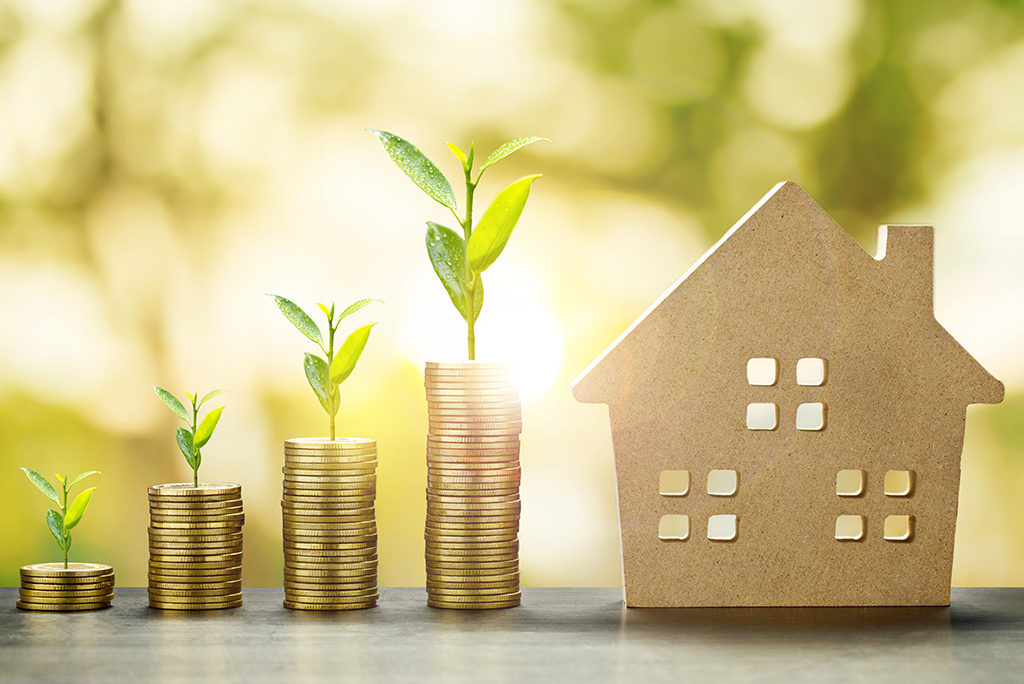
Saving for a house is one of the biggest financial goals many people aim to achieve. Whether it’s your first home or a future investment property, buying real estate is a serious commitment that requires planning, discipline, and smart saving strategies. With rising home prices and living expenses, setting aside money for a down payment can seem daunting—but it’s completely doable with the right approach. Here’s a practical guide on how to save money for a house in a way that works for your lifestyle and timeline.
1. Set a Clear Goal
The first step in saving for a house is knowing how much you need. Typically, a down payment is 10% to 20% of the home’s purchase price. For example, if you’re eyeing a $400,000 house, you’ll need between $40,000 and $80,000, depending on the loan type and lender requirements. Factor in additional costs such as:
-
Closing costs (2% to 5% of the purchase price)
-
Home inspection fees
-
Moving expenses
-
Initial maintenance or furnishing
Setting a clear savings target helps you stay focused. Break it down into monthly or biweekly goals to track your progress more easily.
2. Create a House-Specific Savings Account
Keep your house fund separate from your day-to-day money. Open a high-yield savings account specifically for your house savings. This offers higher interest than a traditional savings account and reduces the temptation to dip into the funds for other needs.
Name the account something motivational like “Dream Home Fund.” Automating your savings with direct deposits or scheduled transfers is a great way to build consistency and avoid forgetting to save.
3. Adjust Your Budget and Cut Unnecessary Spending
To speed up your savings, it’s important to reassess your current budget. Start by tracking your monthly expenses to identify areas where you can cut back. Some quick wins include:
-
Canceling unused subscriptions
-
Cooking at home more often instead of eating out
-
Reducing impulse shopping
-
Carpooling or using public transport
Small lifestyle changes can make a big difference over time. Redirect the money you save into your house fund. For instance, saving just $200 a month by eating out less equals $2,400 a year.
4. Increase Your Income
If cutting expenses isn’t enough, look for ways to boost your income. This could be through side gigs like freelancing, delivering food, tutoring, or selling items online. Consider asking for a raise or taking on extra shifts at work if possible.
Treat all extra income as bonus savings for your house. Even if it’s an additional $100 a week, that’s over $5,000 a year—more than enough to cover a portion of your down payment or closing costs.
5. Take Advantage of Windfalls and Tax Refunds
Whenever you receive unexpected money—like tax refunds, bonuses, or monetary gifts—resist the urge to spend it. Instead, deposit it straight into your house savings account. These one-time boosts can significantly speed up your progress without affecting your regular budget.
For example, a $2,000 tax refund can jumpstart your savings or help you reach your goal sooner than expected.
6. Reduce or Eliminate Debt
Paying off high-interest debts, like credit card balances, should be a priority while saving for a house. Not only does this free up more of your income for saving, but it also improves your credit score—which can help you secure a better mortgage rate later on.
Use a strategy like the snowball method (paying off the smallest debts first) or the avalanche method (focusing on high-interest debts first) to systematically reduce what you owe.
7. Explore First-Time Homebuyer Programs
There are many government programs, grants, and incentives designed to help first-time homebuyers save money. Depending on your location, you may qualify for:
-
Low or no down payment loans (FHA, USDA, VA)
-
Down payment assistance programs
-
Tax credits or exemptions
-
Matched savings accounts (also known as Individual Development Accounts)
Do your research or speak to a mortgage advisor to see what options are available to you. These programs can reduce how much you need to save upfront or stretch your money further.
8. Stay Motivated and Monitor Progress
Saving for a house takes time and discipline. To stay on track, regularly review your progress and celebrate small milestones. For instance, when you hit 25%, 50%, or 75% of your goal, reward yourself in a modest and meaningful way—without derailing your savings.
Use budgeting apps or spreadsheets to monitor your contributions and make adjustments when necessary. The more engaged you are with your financial plan, the more likely you are to succeed.
Final Thoughts
Saving money for a house might feel overwhelming at first, but with a structured plan and consistent effort, it’s entirely achievable. By setting a clear savings goal, opening a dedicated account, adjusting your budget, and increasing your income, you can build the financial foundation needed to make your dream of homeownership come true.
Remember: the earlier you start, the better. Even if you begin small, every dollar you save brings you one step closer to opening the front door of your future home. Stay patient, stay focused, and let your savings habits pave the way to your new house.
Related Post

6 Smart Ways To Save Money For Kids
Raising children is both a joy and a financial responsibility. From diapers and daycare to [...]

How to Save Money For a Car In Six Simple Steps
Buying a car is an exciting milestone, whether it’s your first vehicle or an upgrade [...]

Saving For a House? Here are 9 Investments To Save For A House and Help Your Money Grow
Buying a house is a major life goal for many, but it’s also one of [...]